
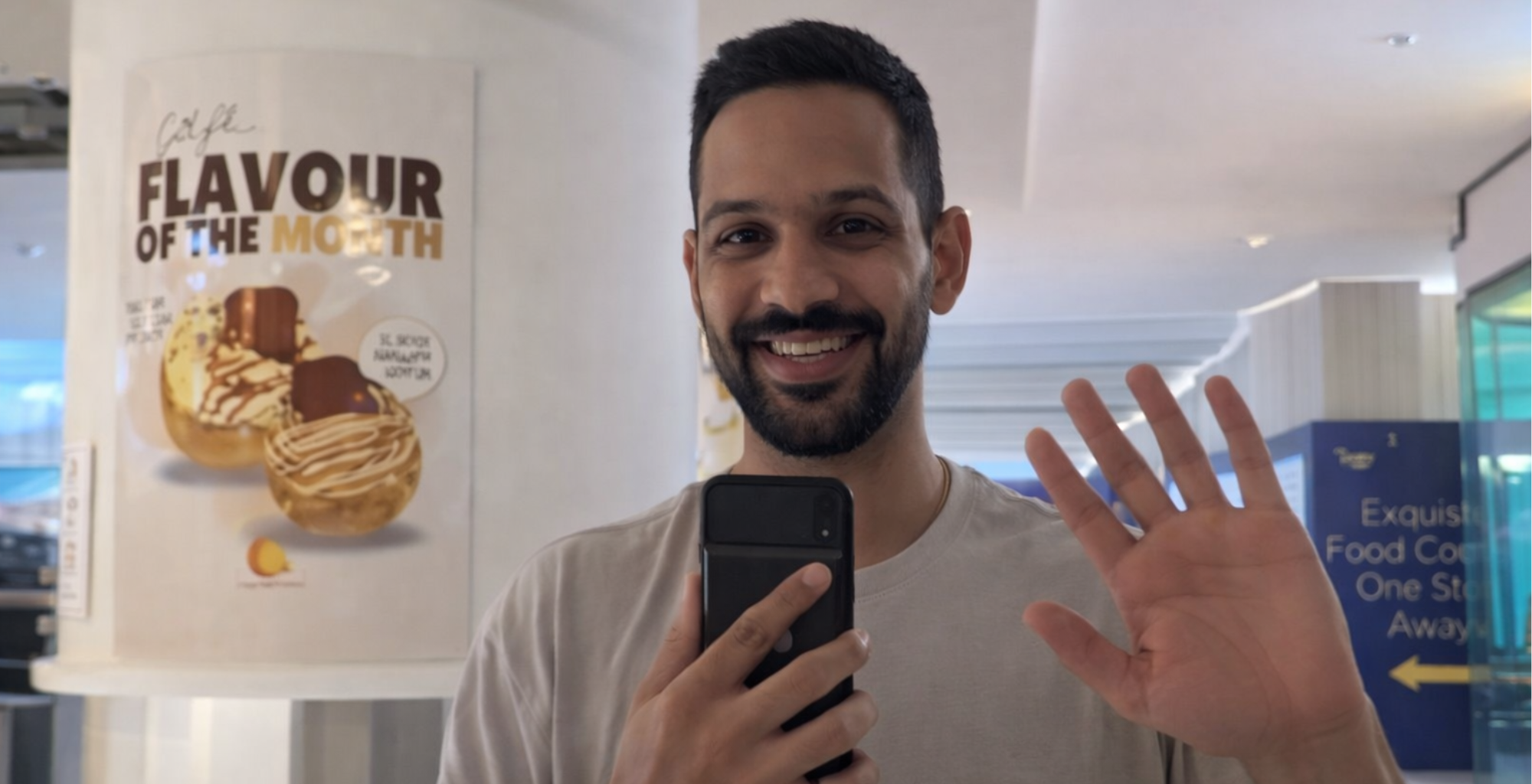
Mr Noorudin during his video shoot for SMCCI’s Platinum Members Feature, where we spotlight exceptional members and share their journeys with the wider SMCCI community.
Franchising is often perceived as a lower-risk route to business growth. In reality, it is a structured commercial model that succeeds only when systems are robust, responsibilities are clearly defined, and franchisees remain actively involved in execution. In Singapore’s competitive SME landscape, results are driven less by brand recognition and more by disciplined operating frameworks and accountable ownership.
This is evident in the experience of SMCCI Muslim-Owned Enterprise (MOE) member Mr Noorudin, whose journey as a Chewy Junior franchisee reinforces a critical lesson for SMEs, i.e. franchising is not a passive investment, but a business system that demands operational rigour, consistency, and hands-on leadership.
By franchising Chewy Junior, Mr Noorudin was able to build on a trusted brand with an established customer base while operating within a proven framework. This significantly reduced the trial-and-error risks commonly faced by first-time business owners, allowing him to focus on execution rather than experimentation.
Franchisor Support Goes Beyond Branding
A strong franchise model is defined by what happens after the agreement is signed. In Mr Noorudin’s case, franchisor support extended across critical operational areas, including:
- Outlet location evaluation and site suitability
- Rental negotiations and commercial discussions
- Renovation planning and outlet setup
- Manpower planning and staffing continuity
During periods of workforce shortage, the franchisor provided temporary manpower support to ensure uninterrupted operations. This level of involvement reflects a mature franchise system, one that prioritises business continuity and long-term viability rather than leaving franchisees to manage challenges alone.
For SMEs evaluating franchise opportunities in Singapore, this highlights the importance of assessing operational depth, not just brand visibility.
Active Franchisee Involvement Is Non-Negotiable
Mr Noorudin emphasises that franchise success depends heavily on hands-on involvement. Franchising does not replace management responsibility; it structures it.
Chewy Junior’s franchise system reinforces this through data-driven operational tools. A real-time sales projection dashboard provides midday forecasts, allowing franchisees to adjust staffing, production, and inventory decisions within the same trading day. This reduces food wastage while supporting revenue targets.
Weekly operational audits conducted by the franchisor further ensure compliance with brand standards and operational benchmarks. These audits promote accountability and consistency across outlets, reinforcing customer trust in the brand.
Franchising Defined: Systems, Standards, and Shared Responsibility
According to the International Franchise Association (IFA), franchising is a licensing relationship that allows a franchisee to operate a business using a franchisor’s brand, systems, and methods—supported by training and ongoing guidance.
The most common structure is business format franchising, which provides franchisees with a complete operating system that typically includes:
- Training programmes and operational manuals
- Quality control measures and brand governance
- Marketing frameworks and advisory support
- Site development guidance and ongoing assistance
Franchising succeeds when both parties uphold their responsibilities. Franchisors must maintain system integrity and support structures, while franchisees must execute consistently and protect brand standards. Consumer trust depends on this shared accountability.
Building Market Confidence Through Certification
Beyond operational discipline, Mr Noorudin prioritised consumer trust, particularly among Muslim customers. He obtained SMCCI’s Muslim-Owned Enterprise (MOE) certification, which requires at least 51% Muslim ownership. This certification provided additional assurance to consumers and served as a foundation toward halal certification from MUIS.
Mr Noorudin also actively participated in peer business-sharing sessions within the SME ecosystem, engaging industry professionals to strengthen his understanding of cost management, financing strategies, and long-term planning demonstrating that franchise success is reinforced through continuous learning.
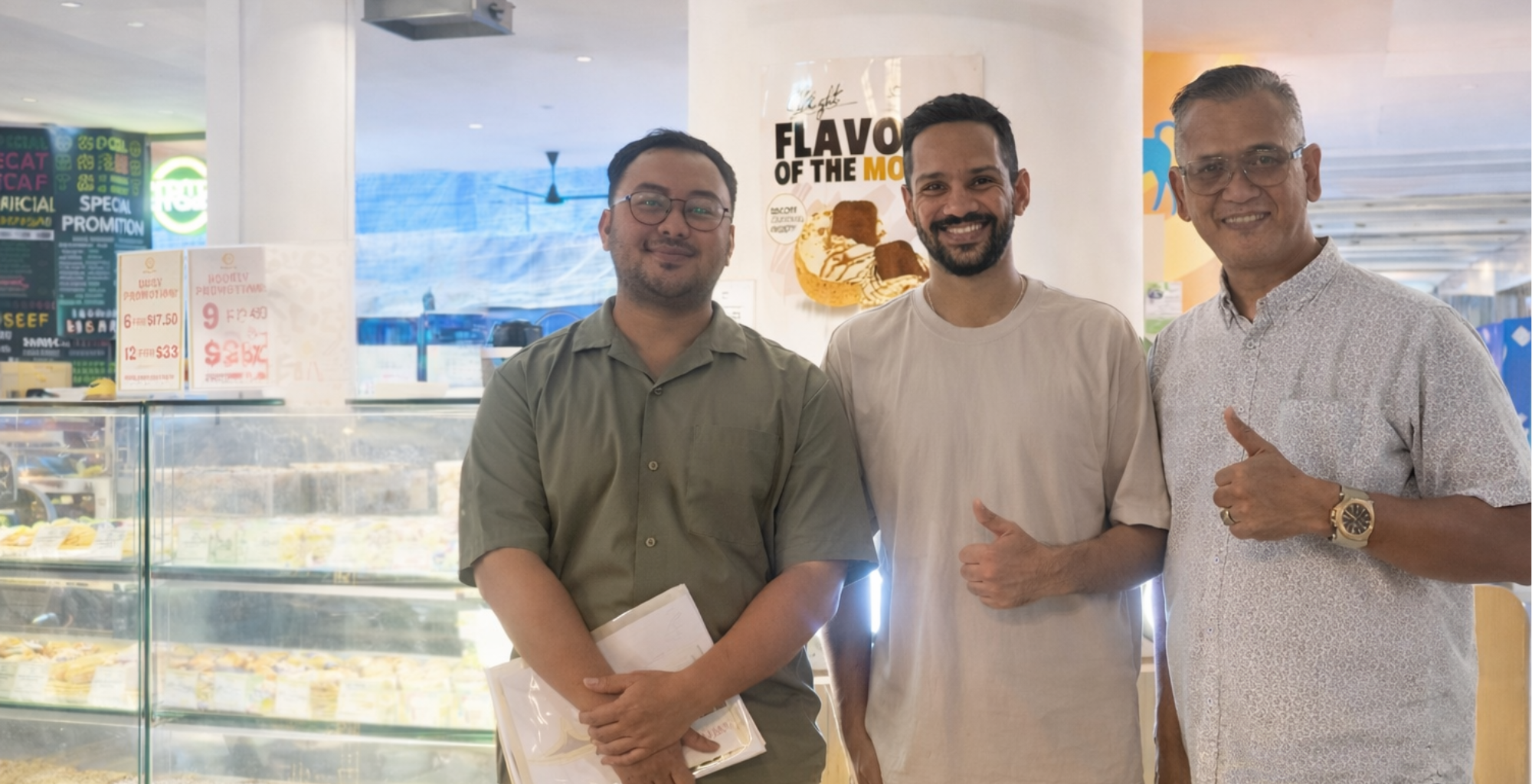
From left: Mr Izzuddeen (SMCCI Membership Team), Mr Noorudin Ahmad, franchisee of Chewy Junior at Sengkang Grand Mall, and Mr Azhar (SMCCI Board Director), pictured after SMCCI’s Platinum Member video shoot in front of his store, celebrating strong partnerships and shared growth.
Practical Lessons for SMEs Considering Franchising
Mr Noorudin’s experience highlights several principles that SMEs should consider before entering a franchise arrangement. Beyond brand recognition, business owners must assess the strength of the franchisor’s operating systems, the level of ongoing support, and their own readiness to remain actively involved in daily operations and decision-making.
Successful franchising also depends on the disciplined use of data to improve efficiency, manage costs, and reduce wastage—while consistently upholding brand standards to protect long-term consumer trust.
As advised by the International Franchise Association, SMEs are encouraged to conduct thorough due diligence and seek professional legal and business advice before committing to any franchise agreement.
In the samelight, SMEs looking to strengthen their business foundations and growth readiness can tap on SMCCI’s certification, industry insights, and peer learning platforms to support their franchising and expansion journey.
Source Attribution:
Franchising insights adapted from materials by the International Franchise Association (IFA).
Member case reference adapted from an article by Astreem Consulting Pte Ltd.