


The enhanced childcare leave announced at National Day Rally 2026 has been welcomed as a positive step for working parents. For businesses, particularly SMEs operating with lean teams, it also raises an important practical question: how do we support employees while ensuring business operations continue smoothly?
Under the announced new framework, each eligible working parent with Singapore Citizen children aged 12 and below will receive 8 days of childcare leave for one child, 10 days for two children and 12 days for three or more children. The implementation date for the new scheme has not yet been announced.
The Government will also reimburse employers for the full duration of statutory child-related leave, up to the applicable reimbursement limits.
For employers, this provides meaningful financial support. However, while the cost of leave may be covered, the operational impact of an employee being away still needs to be managed.

For a Small Team, Every Person Matters
In a larger organisation, several employees may perform similar functions. For an SME with five or ten employees, one person may be responsible for an entire area such as accounts, customer service, operations or deliveries.
When that employee is away, the work does not disappear.
Responsibilities may need to be redistributed, colleagues may have to cover additional duties, temporary manpower may be required, or less urgent work may need to be rescheduled.
This becomes more challenging when several employees need to take childcare leave around the same period.
The issue is therefore not whether employees should take the leave they are entitled to. The question is whether businesses are sufficiently prepared to manage the coverage.
A Positive Move for Working Parents
Speaking to Berita Mediacorp on 3 September, STIE Executive Director Mdm Maslina Mohamed welcomed the enhancement, noting that it provides important support for working parents and contributes towards a more family-friendly environment.
She highlighted that such measures are particularly meaningful as Singapore continues to address its declining birth rate. Greater flexibility can give parents more room to manage their children’s needs while remaining in the workforce.
Supporting families should also be seen as a shared responsibility involving the Government, employers, individuals and the wider community.
At the same time, Mdm Maslina highlighted the need for proper manpower planning, particularly when several employees may need to take leave concurrently.
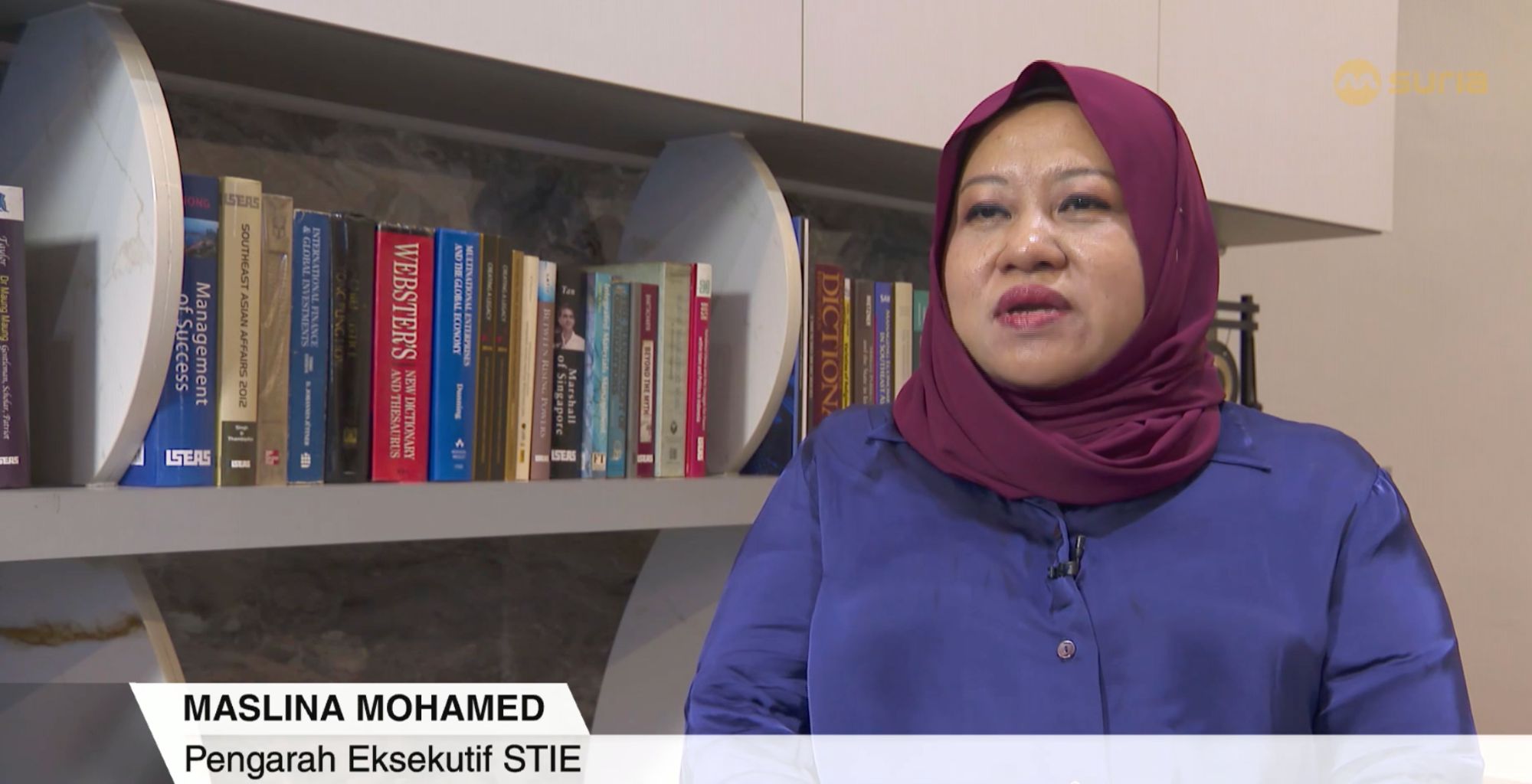
-Mdm Maslina Mohamed, Executive Director of STIE-
SMEs Should Start Planning Early
SMCCI Manager Sufyan similarly described the enhancement as a positive step, while highlighting its operational implications for SMEs and manpower-dependent sectors.
For smaller businesses, preparation will be important to ensure that the workload does not simply fall on the remaining employees.
Some practical steps SMEs can consider include:
- Cross-training employees so that important functions are not dependent on only one person.
- Identifying backup personnel for critical roles.
- Documenting key processes so another employee can step in when necessary.
- Using digital tools and technology to reduce repetitive work and improve productivity.
- Encouraging early discussions on planned childcare leave where circumstances allow.
- Reviewing whether flexible work arrangements or temporary manpower could support periods of higher absence.
The same planning can also make businesses more resilient when employees are away for other reasons such as medical leave, annual leave or emergencies.
Family-Friendly Can Also Be Good for Business
Childcare leave should not only be viewed as an additional manpower challenge.
Companies that demonstrate genuine support for working parents can strengthen their position as family-friendly employers. For SMEs competing for talent, this may become an important factor in attracting and retaining employees.
The objective should therefore not be to choose between supporting families and protecting business operations.
With proper planning, businesses can work towards both.
The Government’s decision to cover the statutory leave cost provides one part of that support. The next step for employers is ensuring that their manpower planning, processes and teams are prepared for the operational realities.
What does this mean for your business?
Are you an SME employer? How would the enhanced childcare leave arrangements affect your manpower planning, workload or daily operations?
Share your concerns and suggestions with SMCCI at info@smcci.org.sg. Your feedback can help us better understand the impact on businesses and surface relevant issues to the appropriate agencies and stakeholders.